
Top Trends in Special Education: What Parents Need to Know
DH
In recent years, special education has seen significant advancements, offering new opportunities and insights for parents and educators alike. Understanding these trends can help parents make informed decisions about their child's educational journey. Here are some of the top trends in special education today.
Inclusive Education
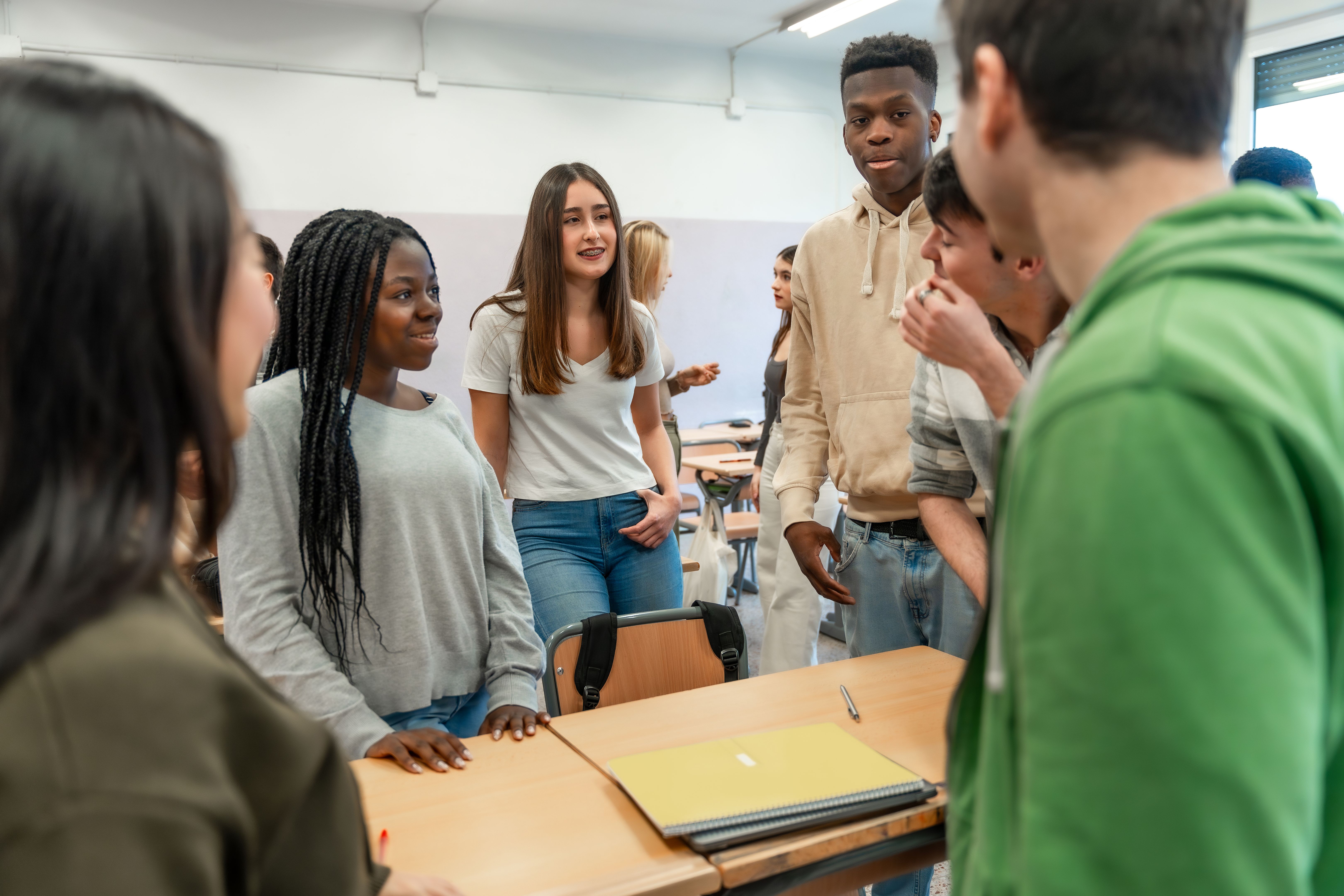
One of the most significant shifts in special education is the move towards inclusive education. This approach involves integrating students with special needs into mainstream classrooms, providing them with the same educational opportunities as their peers. This trend is supported by research indicating that inclusive environments can improve social skills and academic performance for all students.
Inclusive education requires collaboration between special education and general education teachers to create a supportive classroom environment. This collaboration ensures that all students receive the individualized support they need to succeed.
Personalized Learning Plans
Personalized learning has become a cornerstone of special education. Tailoring education to meet the individual needs of each student ensures they receive the most effective support. Personalized learning plans often involve setting specific goals, employing adaptive learning technologies, and utilizing a variety of teaching methods.
Parents can play a crucial role in developing these learning plans by working closely with educators to identify their child's strengths and areas for improvement. This collaboration can lead to a more customized and effective educational experience for the student.
Technology Integration
Technology is revolutionizing the way special education is delivered. Assistive technologies, such as speech-to-text software and interactive learning apps, are helping students overcome barriers to learning. These tools can enhance communication, improve engagement, and provide alternative ways to demonstrate understanding.

Focus on Social-Emotional Learning
Social-emotional learning (SEL) has become a key component of special education. SEL focuses on developing skills such as empathy, self-regulation, and effective communication. These skills are essential for students with special needs, as they often face challenges in social interactions.
Schools are increasingly implementing SEL programs to support students' emotional and social development. These programs not only benefit students with special needs but also create a more empathetic and inclusive school culture.
Parental Involvement
Parental involvement is more important than ever in special education. Parents are encouraged to actively participate in their child's education by attending meetings, collaborating with teachers, and advocating for necessary resources. This involvement can lead to better educational outcomes and a more supportive learning environment.

Emphasis on Life Skills
Preparing students for life beyond the classroom is a growing focus in special education. Schools are teaching essential life skills, such as financial literacy, job readiness, and daily living skills. These programs are designed to equip students with the tools they need to become independent and successful adults.
Parents can support this trend by reinforcing these skills at home and seeking out community resources that offer additional training and support.
Remote Learning Adaptations
The shift to remote learning has posed challenges and opportunities for special education. Schools have adapted by offering virtual support services and developing new strategies to engage students online. These adaptations have made education more accessible for some students, providing flexible options that cater to diverse learning needs.
As remote learning continues to evolve, parents should stay informed about available resources and advocate for their child's unique needs in a digital learning environment.